

Lawn Insect and Grub Control in the Des Moines Metro
Grubs, chinch bugs, and sod webworms do their damage out of sight. We find what’s causing the brown patches and treat it at the right time of year. Based in Granger and working across the metro every week.
Planning ahead for next season or ready to get started? Drop your address for a free written recommendation and price—no pressure.
Common Lawn Insects in Central Iowa
Most insect damage starts below the surface, so by the time you see it, the pests have been feeding for weeks. The ones we see most in central Iowa lawns are grubs, chinch bugs, and sod webworms. Each one thins the lawn in a different way, and each one needs a different treatment.
- Grubs feed on roots. The grass turns brown and pulls up like loose carpet.
- Chinch bugs feed on grass blades in hot, dry weather. The damage looks like drought stress that watering doesn’t fix.
- Sod webworms chew grass off at the base, leaving small brown patches that spread.
Before we treat anything, we look at the lawn and check the soil to find out what’s actually causing the damage. Not every brown patch is bugs.
Preventive and Curative Grub Control
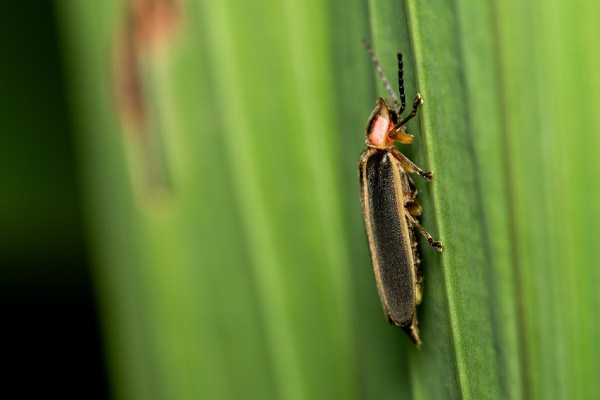
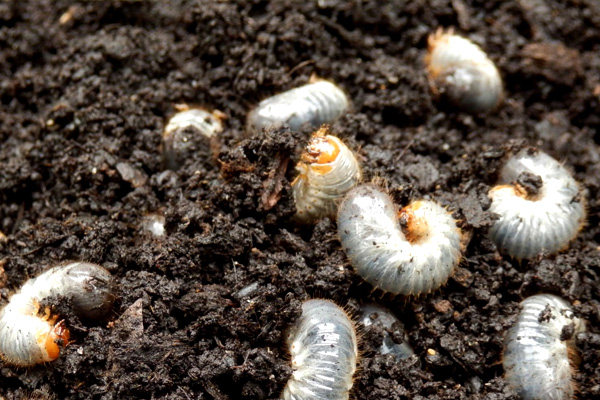
Grubs are the most damaging lawn insect in Iowa. They’re the larvae of beetles that lay eggs in the lawn in early summer. The grubs hatch, feed on roots through late summer, and can kill large sections of grass before anyone notices.
A preventive treatment goes down before the eggs hatch and stops grubs before they do damage. If grubs are already active, a curative treatment knocks them out so the lawn can recover. Grubs also draw in raccoons and skunks that tear up the turf looking for them, so stopping the grubs stops that too.
Grub control pairs well with our fertilizer and weed control program, and thin spots can be filled back in with aeration and overseeding in the fall.
Everything in Writing, From the First Step
No guessing and no surprise charges. You'll know what we recommend, what it costs, and what we applied after every visit.
- Tell Us About You and Your PropertyFill out the quote request with your address, your lawn, and the services you want. It takes a couple of minutes.
- Get Your Plan in WritingWe look at the lawn and send a recommendation and a price by email or text, so you have it all in front of you.
- Applied at the Right TimeEvery round goes down in the right window for cool-season grass. Bundle it with Full Service mowing and one crew keeps both on one schedule, so visits don't overlap or get pushed back.
- A Notice After Every VisitWhat we did, and for treatments, what was applied, when it's safe for kids and pets, and how to water. Every invoice is online too.
Get a Free Lawn Insect Control Quote
Seeing brown patches that won’t green up? Call 515-505-6227 or send us a quote request. We’ll take a look and tell you what we’d recommend and what it’ll cost.
Why Property Owners Choose Us for Insect Control

We Find the Cause First
We check the lawn and soil before treating, so you're not paying for products the lawn doesn't need.

We Know Cool-Season Grass
Treatment timing is built around bluegrass and fescue lawns and the insects that go after them in central Iowa.

Local, Based in Granger
Based in Granger and working every week across Urbandale, Johnston, Grimes, Ankeny, and the rest of the metro.

Common Questions About Lawn Insects and Grubs
What would you rather be doing instead of yard work? Email us with your answer and any other questions you have.
How do I know if I have grubs?
Look for brown patches that pull up like loose carpet, turf that feels spongy, or birds, raccoons, or skunks digging in the lawn. Pull back the turf at the edge of a brown spot. If you find more than a handful of white, C-shaped grubs in a square foot, it’s worth treating.
When should grub prevention go down?
Late spring into early summer, before the eggs hatch. Treated then, grubs are stopped before they start feeding on roots.
What if the grub damage has already happened?
A curative treatment takes care of active grubs. Once they’re gone, fall aeration and overseeding is the best way to fill the dead spots back in.
Is every brown patch caused by insects?
No. Drought, heat stress, dull mower blades, lawn disease, and dog spots can all look similar. We check before we treat so you’re not paying for the wrong fix.
Do you treat commercial properties?
Yes. Retail centers, apartments, office parks, HOAs, and public grounds.
What areas do you cover?
We’re based in Granger and work across the Des Moines metro, including Urbandale, Johnston, Grimes, Ankeny, Polk City, Clive, Waukee, West Des Moines, and Des Moines.
Prefer to talk first? Call 515-505-6227.
Get Your Free Quote
Your quote starts with this form. Tell us about the property and the services you want, and we’ll reply by email or text with a recommendation and a price.
Keeping it in writing means nothing gets missed, for you or for us. Serving Granger, Grimes, Johnston, Urbandale, Ankeny, and the Des Moines metro.